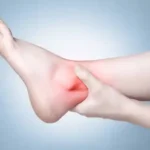
Physical therapy plays a key role in pain management, providing patients with a structured and effective means of reducing discomfort and restoring daily function. Physical therapy addresses the underlying causes of pain rather than just the symptoms through targeted exercises and mobility improvement. Here is more information on the role of physical therapy in pain treatment.
Helping the Body Heal
Physical therapy supports the body’s natural healing processes by improving strength, flexibility, and mobility. Therapists use targeted exercises and techniques to reduce inflammation and restore normal movement patterns. This process provides pain relief and helps prevent future injuries. Physical therapy offers a sustainable solution for long-term health, helping to avoid the need for more invasive procedures.
Using Therapy Methods
A physical therapist uses several methods to achieve pain management. These techniques are selected based on the individual’s specific needs and the source of their pain. Here are some common methods:
- Manual Therapy: This includes hands-on techniques like massage and joint mobilization to reduce stiffness and improve circulation.
- Therapeutic Exercise: These are specific exercises to strengthen muscles, increase flexibility, and improve range of motion.
- Heat and Cold Therapy: Applying heat or cold can help reduce inflammation and soothe muscle pain.
Each of these methods can be used alone or in combination to create an effective pain treatment plan.
Creating Personalized Plans
A personalized care plan is fundamental to successful physical therapy because it is tailored to each individual’s unique needs. A physical therapist will conduct a thorough evaluation to understand the specific causes of pain before creating a plan. This makes sure the treatment directly addresses the individual’s condition. Here are some of the key benefits of personalized pain treatment plans:
- Targeted Treatment: The plan focuses on specific areas of the body that need attention, leading to more effective results.
- Progressive Goals: The plan sets achievable goals that are adjusted over time as the person’s condition improves.
- Education and Prevention: A personalized plan includes instruction in managing pain at home and preventing future injuries.
Customizing the treatment enables physical therapists to make sure that each individual receives appropriate and helpful care for their situation. This approach is a core reason why physical therapy is a successful component of pain management.
Supporting Lasting Relief
Physical therapy provides tools and strategies that support long-term pain control, helping individuals maintain their progress even after their sessions end. Therapists teach exercises and lifestyle modifications that help manage symptoms and prevent pain from returning. The educational component enables individuals to take an active role in their own health. Physical therapy reduces the risk of future injuries and contributes to sustained well-being by improving strength and function. This makes physical therapy a long-term solution for managing chronic pain.
Book Your Pain Management Appointment
Physical therapy is a valuable and effective method for pain management, and it offers a non-invasive approach to recovery and long-term relief. Strengthening the body and addressing the root cause of pain helps individuals regain function and improve their well-being. Contact a pain management specialist near you today to book your appointment.