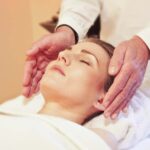
Anxiety can take a toll on the mind and body, often leaving individuals feeling tense, restless, or overwhelmed. Mindfulness offers a practical way to manage these symptoms by helping you stay grounded in the present moment rather than being consumed by worry or fear. Through simple techniques, mindfulness can help reduce anxious thoughts and promote a sense of calm.
Mindfulness and Anxiety
Mindfulness is the practice of paying attention to the present moment without judgment or attachment. Anxiety often involves worry about the future or rumination on the past. By focusing on the “now,” mindfulness helps interrupt the cycle of overthinking that fuels anxious feelings. This practice cultivates an awareness of your thoughts and physical sensations, allowing you to observe them without getting carried away by them.
The fundamental principle is to create distance between yourself and your anxious thoughts. Instead of reacting to a worrying thought, you learn to acknowledge it as just a thought. The shift in perspective helps reduce the power that anxiety holds over you. Regular practice can help retrain the brain to be less reactive to stressors, leading to a calmer state of mind.
Mindfulness Practices for Daily Life
Incorporating mindfulness into your daily routine can help you manage anxiety and improve your overall well-being. Here are a few simple techniques you can practice:
- Focused Breathing: Spend a few minutes each day focusing on your breath. Pay attention to each inhale and exhale, allowing your mind to center on the present moment.
- Body Scanning: Perform a mental scan of your body from head to toe, observing sensations, tension, or discomfort without judgment.
- Mindful Walking: As you walk, notice the movement of your legs, the sensation of your feet on the ground, and the surrounding sounds and sights.
- Gratitude Reflection: Take a moment to reflect on a few things you are grateful for each day, cultivating a positive mindset and increasing your awareness of life’s positives.
- Mindful Eating: Take time to savor your meals, focusing on the flavors, textures, and smells of each bite.
By practicing these techniques consistently, you can develop a stronger ability to stay present and reduce the interference of anxious or stressful thoughts.
Tips for Integrating Mindfulness
Consistency is a key component of a successful mindfulness practice. The goal is to incorporate these techniques into your daily routine. Here are some tips to integrate mindfulness into your routine:
- Start small: Begin with short mindfulness exercises, such as five minutes of mindful breathing each morning.
- Set reminders: Use tools like phone alarms or apps to establish mindfulness habits.
- Practice during daily routines: Incorporate mindfulness into everyday activities. For instance, focus on the temperature of the water and the texture of the soap while washing dishes.
By turning routine tasks into mindful moments, you reinforce the practice and create a natural, sustainable approach to mindfulness.
Mindfulness and Professional Care
While mindfulness is a helpful tool for managing anxiety symptoms, it is not a substitute for professional medical care. It is most effective when used as part of a comprehensive treatment plan. A mental health professional can provide a diagnosis and recommend treatments tailored to your specific needs, which may include therapy or medication management.
Discussing mindfulness with your provider can also be beneficial. They can offer guidance on which techniques may be most helpful for you and how to integrate them with other treatments. Combining personal mindfulness practice with professional support creates a robust approach to managing anxiety.
Schedule a Visit for Anxiety
Mindfulness practices offer practical ways to manage feelings of anxiety, nervousness, and worry by focusing on the present moment. Techniques such as mindful breathing and body scans can help reduce overthinking and introduce calmness. Combining these practices with professional care provides a comprehensive approach to improving your mental well-being. For anxiety and related symptoms, contact a mental health specialist near you to schedule a visit for professional guidance and support.