Dermatology is a medical specialty that focuses on conditions affecting the skin, hair, and nails. Your skin is your body’s largest organ, so it can develop a wide range of issues, from common rashes to more serious diseases. Knowing about these conditions is the first step to getting the right help. A dermatologist is trained to offer expert advice and treatment for all these concerns.
Acne and Rosacea
Acne is one of the most common skin conditions in dermatology, especially during adolescence. It occurs when hair follicles become clogged with oil and dead skin cells, leading to pimples, blackheads, and whiteheads. This condition can be frustrating, but effective treatments are available to help manage and reduce breakouts.
Rosacea is another chronic skin condition that primarily affects the face. It often presents as persistent redness, visible blood vessels, and sometimes bumps or pimples. While it may resemble acne, rosacea requires a different approach to treatment, which a dermatologist can recommend after a proper evaluation.
Eczema and Psoriasis
Chronic inflammatory skin diseases, such as eczema and psoriasis, require ongoing management to control symptoms and prevent flare-ups. These conditions present with distinct characteristics and need a diagnosis for effective care. A dermatologist can differentiate between them and create a suitable management strategy.
Eczema (Atopic Dermatitis)
Eczema typically begins in childhood, although it can also appear at any age. It is characterized by dry, itchy, and inflamed skin, and scratching can lead to redness, swelling, and cracking. The condition often appears in flare-ups triggered by irritants or allergens. Managing eczema involves gentle skin care, moisturizing, and specific treatments to calm inflammation.
Psoriasis
Psoriasis is an autoimmune condition that accelerates the skin cell life cycle, causing them to build up rapidly on the skin’s surface. This buildup results in thick, red, scaly patches that can be itchy or sore. Psoriasis can appear anywhere on the body, including the scalp, elbows, and knees, and it is a chronic condition that may fluctuate in severity.
Moles and Lesions
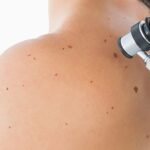
Moles are common skin growths that appear as small, dark spots. While most moles are harmless, it is beneficial to monitor them for any changes in size, shape, colour, or texture. These changes could indicate the development of skin cancer.
Dermatologists are trained to evaluate suspicious moles and other skin lesions through careful examination. They can perform biopsies on concerning spots to determine if they are benign. If necessary, they will recommend further treatment for any malignant growths.
Hair and Nail Disorders
Dermatologists also treat a wide range of conditions affecting the hair and nails. Common hair-related issues include hair loss (also known as alopecia), dandruff, and scalp infections. Nail disorders can manifest as:
- Fungal infections
- Ingrown toenails
- Changes in nail color or texture
These problems can be indicative of an underlying health issue or a localized condition.
Prioritize Your Skin With Dermatology
Maintaining your skin’s health is beneficial for overall well-being. Dermatology plays a role in diagnosing conditions ranging from acne to suspicious lesions. A board-certified dermatologist can identify specific skin, hair, and nail issues and create a personalized care plan. If you have concerns about a new or persistent skin condition, schedule an appointment with a dermatologist for an assessment.