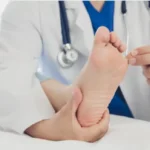
Visiting an orthopedics office can be the first step toward diagnosing and treating conditions that affect your bones, joints, muscles, and ligaments. Whether you’re dealing with a sports injury or chronic pain, orthopedic specialists provide comprehensive care designed to restore mobility and improve well-being. Here’s what patients should expect when visiting an orthopedics office:
When To See a Specialist?
Knowing when to consult an orthopedic specialist is key to addressing musculoskeletal issues. Here are common situations where seeking orthopedic care is recommended:
- Chronic pain that lasts longer than a few weeks and does not improve with rest or over-the-counter treatments.
- Limited range of motion or stiffness in joints or muscles that makes daily activities difficult.
- Joint instability or weakness, such as joints that feel unstable or give out during movement.
- Acute injuries, including fractures, dislocations, or torn ligaments caused by accidents or sports activities.
- Nerve-related symptoms, such as numbness, tingling, or shooting pain, especially in the limbs.
- Swelling or inflammation that persists or worsens over time without a clear cause.
Recognizing these signs early and seeking professional assessment can prevent further complications.
What Happens During the Appointment?
Your first visit to an orthopedics office begins with a conversation. The orthopedic team will ask about your medical history, current symptoms, and previous treatments you’ve tried. This initial discussion helps the specialist understand your condition and the factors that may be causing your pain or discomfort.
After the conversation, the doctor will perform a physical exam. This involves checking your range of motion, testing your strength, and identifying areas of tenderness or swelling. If needed, the office may perform diagnostic imaging to get a clear picture of what’s happening inside your body. Once the exam and any necessary imaging are complete, the specialist will explain their findings. They will discuss all available treatment options, including physical therapy, medications, injections, and surgery.
What Steps Help You Prepare?
Proper preparation for your visit to the orthopedics office aids in a smooth and efficient experience. Here are key steps to take before your appointment:
- Gather Medical Records: Collect relevant medical history, including previous imaging results, test reports, and a list of current medications.
- Prepare a List of Questions: Write down any questions or concerns you have about your condition or treatment options to discuss with the specialist.
- Wear Appropriate Clothing: Choose clothing that allows easy access to the affected area for examination and imaging.
- Arrive Early: Plan to arrive at least 15 minutes before your appointment to complete any necessary paperwork and prompt check-in.
- Bring Identification and Insurance Information: Have a valid ID and your insurance details readily available.
It’s also helpful to write down details about your symptoms. Note when the pain started, what makes it better or worse, and how it affects your daily activities.
How Long Does Recovery Take?
Orthopedic treatment varies based on your specific condition. Many patients receive nonsurgical treatments such as physical therapy, medications, or joint injections. These approaches can provide relief without the need for surgery.
When surgery is necessary, the orthopedic surgeon will explain the procedure in detail. This includes what will happen during surgery, the expected recovery time, and how to heal properly. After surgery, follow-up appointments help to track your progress and adjust your treatment plan as needed. Your orthopedics team will provide specific instructions for managing pain, performing exercises, and returning to normal activities. Following these guidelines closely reduces the risk of complications.
Visit a Local Orthopedics Practice
Knowing what to expect at an orthopedics office can help prepare you for a productive appointment. From the initial consultation to treatment and recovery, orthopedics focuses on helping you regain mobility and reduce pain. If you’re experiencing musculoskeletal problems, contact a local orthopedics practice near you to schedule a visit and explore your treatment options today.